




Satellite technology has played a crucial role in the evolution of television services, including IPTV (Internet Protocol Television). In the UK, satellite communications have significantly enhanced the reach and reliability of IPTV, especially in remote and rural areas. This article explores how satellite technology supports IPTV and the benefits it brings to UK viewers (source: https://best-iptv-subscription.co.uk).
How Satellite Technology Supports IPTV
Satellite technology complements IPTV by providing a robust infrastructure for content delivery. It ensures that high-quality television services are available even in areas where traditional broadband connectivity may be limited.
Benefits of Satellite Technology for IPTV
Satellite technology offers several advantages that improve IPTV services:
- Extended Coverage: Satellites can deliver IPTV services to remote and rural areas where broadband internet might not be readily available.
- Reliability: Satellite connections are less prone to disruptions caused by local infrastructure issues, providing a more stable service.
- High-Quality Streaming: Satellites can transmit large volumes of data, ensuring high-definition and 4K streaming for IPTV users.
Enhancing IPTV Accessibility
One of the most significant benefits of satellite technology is its ability to enhance accessibility. Many areas in the UK lack high-speed broadband, making traditional IPTV delivery challenging. Satellites bridge this gap by providing consistent and high-quality service.
Impact on Rural Areas
Rural areas often face connectivity challenges that make accessing IPTV difficult. Satellite technology addresses these issues by offering:
- Consistent Service: Satellite technology provides reliable IPTV services in rural areas, ensuring that residents can enjoy the same quality of service as those in urban areas.
- Cost-Effective Solutions: Implementing satellite technology can be more cost-effective than extending terrestrial broadband infrastructure to remote locations.
Technological Advancements in Satellite Communications
Recent advancements in satellite technology have further enhanced the capabilities of IPTV services. These innovations ensure that satellite-delivered IPTV remains competitive with terrestrial and cable services.
Key Advancements
Some of the notable advancements in satellite technology that benefit IPTV include:
- High Throughput Satellites (HTS): HTS can transmit more data at higher speeds, improving the quality of IPTV services.
- Low Earth Orbit (LEO) Satellites: LEO satellites offer lower latency and faster data transmission, enhancing real-time streaming and interactive IPTV features.
- Hybrid Networks: Combining satellite and terrestrial networks provides the best of both worlds, ensuring high reliability and coverage.
Future of Satellite-Enhanced IPTV in the UK
The future of satellite-enhanced IPTV in the UK looks bright, with ongoing technological advancements and increasing demand for high-quality television services.
Potential Developments
Future developments that could further improve satellite-enhanced IPTV include:
- Enhanced Satellite Technology: Continued advancements in satellite technology will likely lead to even better service quality and coverage.
- Greater Integration: Increased integration of satellite and terrestrial networks to provide seamless IPTV services.
- Innovative Applications: New applications and services that leverage satellite technology to offer unique IPTV experiences, such as virtual reality and augmented reality content.
Conclusion
Satellite technology has significantly enhanced IPTV services in the UK, providing extended coverage, reliability, and high-quality streaming. As technology continues to evolve, satellite-enhanced IPTV is set to become even more accessible and advanced, offering UK viewers an unparalleled television experience.


 Reddit has become a popular place for discussions about space technology. Many people are curious about space but feel overwhelmed by scientific language. Reddit helps bridge that gap. It allows users to talk about rockets, satellites, and space missions in simple terms. These conversations feel human and accessible. People learn not just facts, but also context and meaning.
 Space technology has evolved from simple satellite launches to advanced missions exploring distant planets and galaxies. Today, it includes innovations such as reusable rockets, AI-driven navigation systems, and deep-space communication networks. These technologies not only make space exploration more efficient but also more cost-effective. Companies like SpaceX, NASA, and Blue Origin are leading the charge, pushing the boundaries of what is possible beyond our atmosphere. What was once considered science fiction has now become part of our reality, paving the way for a future where humans may one day live and work beyond Earth.
 Space missions are among the most complex undertakings humanity undertakes. Every launch involves thousands of interdependent systems, vast supply chains, and strict timelines.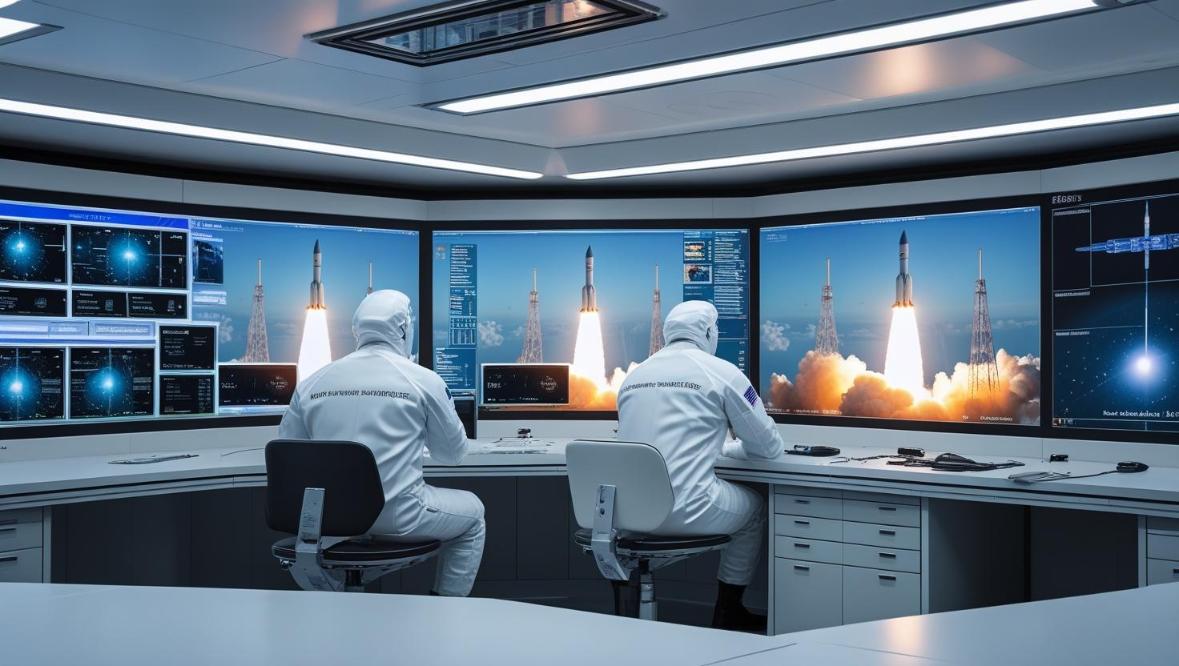
 Escape from Tarkov and other tactical shooters thrive on realism. Every bullet, movement, and decision matters. As game engines evolve and real-world tech advances—especially in places like NASA—there’s an exciting opportunity for even greater immersion. It’s not just about sharper graphics or smarter AI anymore—it’s about creating deeper,
 Space tech companies operate in one of the world’s most complex and capital-intensive industries. Launching rockets, building satellites, and developing deep space exploration technologies is expensive and requires specialized talent. To survive and grow, these companies need money and people. Traditionally, aerospace companies focused on government contracts and behind-the-scenes R&D. However, with the rise of private space companies like SpaceX, Blue Origin, and Rocket Lab, branding and public communication have taken on a new role. Digital marketing firms such as Fuseon erfahrungen are stepping in to help these companies craft compelling narratives, reach wider audiences, and build public trust.
 Reporting cheaters encourages gamers to respond, which offers insightful comments that helps to preserve a fair gaming environment. Furthermore, as a player you may contribute to a fair and enjoyable game experience by reporting cheaters. Should you come across a cheating player, you should report them using the game’s provided mechanism.

 Technology is changing

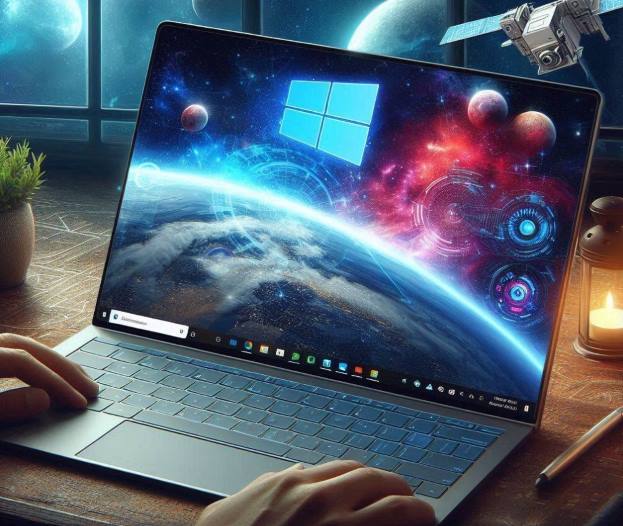
 Watch various live streams featuring Mars exploration through rovers, rocket launchers, and get updated with the latest news about the International Space Station.

 When seeking tech support from Reddit, be in the know that a Windows product key is available only at Microsoft.com. As a matter of fact, the people at Microsoft Support warn that getting a product key from any other website or from a peer-to-peer (P2P) network could put your computer in harm’s way of a malware attack.
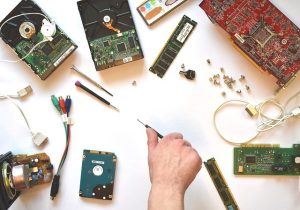 When a computer breakdown required the replacement of hardware such as the motherboard, the Windows
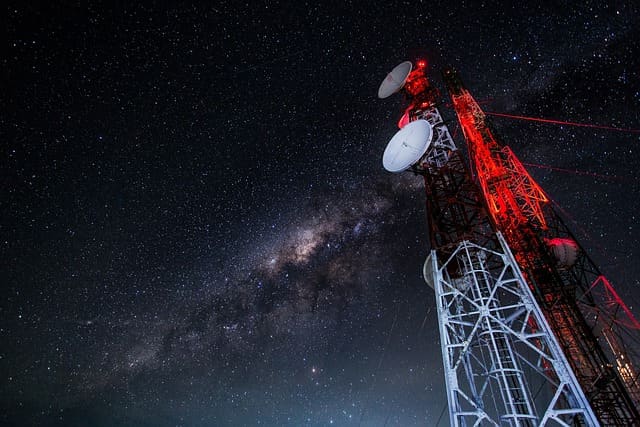



 In the boundless expanse of space, technology and communications coalesce, forming the backbone of our cosmic endeavors. This fusion not only propels humanity beyond the confines of Earth but also embeds a subtle yet profound component: tacit knowledge. Tacit knowledge, often unspoken or uncodified, plays a crucial role in the advancement of space technology and the effectiveness of space-based communications systems.




 If frustration is getting the better of you in playing Competitive Mode, you can get coaching in Valorant to improve your chances of moving to higher ranks.
 At that point, they have already developed a unique genetic makeup that reacts to an element called radianite. They absorb the emissions during certain events or a series of events.